








SEC Proposes New Crypto Offering Rules as Congress Stalls on Digital Asset Legislation
The U.S. Securities and Exchange Commission has proposed a new regulation for crypto asset offerings, advancing agency-led SEC crypto offering rules at a moment when Congress has yet to deliver a comprehensive digital asset framework.
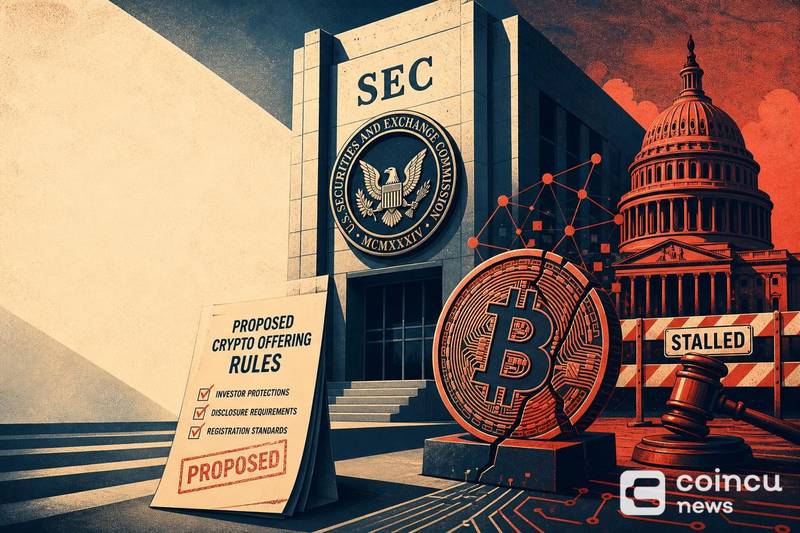
What the SEC’s proposed crypto offering rules would change
The proposal was published as a formal rulemaking through the SEC’s newsroom, framed as a new regulation covering how crypto assets are offered and sold, according to the SEC’s announcement. For related coverage, see Schumer Proposes Anti-Corruption Agency Over Trump Crypto Ties.
The measure is at the proposal stage, not a finalized rule. The full text was issued as a proposed rule document in the SEC’s 2026 rulemaking series, filed under release 33-11456. For related coverage, see Bank of Russia Draft Rules for Organized Trading of Digital Assets.
Because it sits under the Securities Act release numbering (the “33-” prefix), the proposal addresses the offering and registration side of crypto assets, the same terrain the agency has previously touched through proposed crypto fundraising exemptions. Issuers, token projects, and intermediaries would be the parties most directly affected.
Why Congress’s legislative stall matters
The proposal lands while lawmakers remain unsettled on a statutory framework. Reporting on the CLARITY Act described open questions over the bill’s path as Congress returned to Washington, per The Block’s coverage.
When legislation stalls, agency rulemaking fills the gap. That dynamic is why market participants track the SEC and Congress simultaneously, and why an agency proposal can carry outsized weight when no statute defines the boundaries.
This is the same tension visible in earlier agency moves, including a separate major crypto rule the SEC advanced. A rule written by regulators can later be reshaped, or overridden, if Congress eventually acts.
What it means for issuers, exchanges, and investors
For token issuers, a new offering regulation implies fresh disclosure and registration considerations at the point of sale. Exchanges face potential listing and due-diligence implications tied to how offerings are structured.
Investors sit on the other side of that equation, where the SEC’s stated focus on offerings points toward disclosure and protection themes rather than trading mechanics. In the near term, the proposal introduces uncertainty even as it aims at longer-term clarity.
Commissioner Hester Peirce issued a statement addressing the regulation of crypto assets, published through the SEC’s speeches and statements page, signaling that the proposal is being debated inside the Commission itself.
What comes next in the rulemaking process
As a proposal, the measure now moves into a public comment window before any final rule can be adopted. Industry participants, including investors and advocacy groups such as a16z crypto, typically weigh in during that period.
The outcome could still be altered by lawmakers. The regulatory picture that shaped stablecoin oversight through the GENIUS Act stablecoin rule shows how legislative and agency tracks can run in parallel and reshape each other.
FAQ
Are the rules already in effect? No. The SEC has issued a proposal, not a final rule, as reflected in the proposed rule filing.
What does it mean for token launches? The proposal targets crypto asset offerings, so issuers and intermediaries should watch for new disclosure and registration expectations, though specifics depend on the final text.
Why hasn’t Congress passed digital asset legislation? The CLARITY Act’s path remained uncertain as Congress returned to session, leaving a policy gap the SEC is now moving to address.
What should readers watch next? The comment period, further statements from commissioners like Peirce, and any renewed movement on legislation in Congress.
Disclaimer: This article is for informational purposes only and does not constitute financial or investment advice. Cryptocurrency and digital asset markets carry significant risk. Always do your own research before making decisions.
No tags available.


Other Posts








- China, US Conclude Trade Talks with Focus on Cooperation
- Court Upholds Fed’s Rejection of Custodia Bank’s Request
- Former CFO Convicted for $35M Fraudulent Crypto Investment
- Crypto Weekly: NYSE Backs OKX, Kraken Gets Fed Access, BTC Sells
- DeriW Launches Edge Hour Trading Competition Platform for Derivatives Traders
- Michael Saylor Denies Bitcoin Sell-Off Amid Large BTC Transfer
- Buy Dogecoin on eToro: Step-by-Step Guide for Beginners (2024)
- Kazakhstan Explores Crypto Reserves Backed by National Funds
- JPMorgan Increases Holdings in BlackRock’s Bitcoin ETF
- Nordea Bank Introduces Bitcoin ETP Trading for Nordic Customers
- XRP Spot ETF Launches on Nasdaq Amid Market Fluctuations
- Peter Schiff Challenges Michael Saylor on MSTR’s Business Model
- Thailand Orders Worldcoin to Delete 1.2 Million Biometric Records
- UK Proposes New DeFi Tax Framework to Ease User Burden
- WLFI Under Fire: Analyst Warns Hyperliquid Could Be Next
- Ancient Ethereum Whale Moves $1.19 Billion After Decade
- BlackRock Receives Large Crypto Transfers from Coinbase
- SEC Scrutiny on ALT5 Sigma’s Leadership Disclosure Timing
- Yala Injects $5.5 Million Amid Recovery Efforts
- Radiant Capital Faces $50M Loss in Major Security Breach
- China, US Conclude Trade Talks with Focus on Cooperation
- Court Upholds Fed’s Rejection of Custodia Bank’s Request
- Former CFO Convicted for $35M Fraudulent Crypto Investment
- Crypto Weekly: NYSE Backs OKX, Kraken Gets Fed Access, BTC Sells
- DeriW Launches Edge Hour Trading Competition Platform for Derivatives Traders
- Michael Saylor Denies Bitcoin Sell-Off Amid Large BTC Transfer
- Buy Dogecoin on eToro: Step-by-Step Guide for Beginners (2024)
- Kazakhstan Explores Crypto Reserves Backed by National Funds
- JPMorgan Increases Holdings in BlackRock’s Bitcoin ETF
- Nordea Bank Introduces Bitcoin ETP Trading for Nordic Customers
- XRP Spot ETF Launches on Nasdaq Amid Market Fluctuations
- Peter Schiff Challenges Michael Saylor on MSTR’s Business Model
- Thailand Orders Worldcoin to Delete 1.2 Million Biometric Records
- UK Proposes New DeFi Tax Framework to Ease User Burden
- WLFI Under Fire: Analyst Warns Hyperliquid Could Be Next
- Ancient Ethereum Whale Moves $1.19 Billion After Decade
- BlackRock Receives Large Crypto Transfers from Coinbase
- SEC Scrutiny on ALT5 Sigma’s Leadership Disclosure Timing
- Yala Injects $5.5 Million Amid Recovery Efforts
- Radiant Capital Faces $50M Loss in Major Security Breach
- China, US Conclude Trade Talks with Focus on Cooperation
- Court Upholds Fed’s Rejection of Custodia Bank’s Request
- Former CFO Convicted for $35M Fraudulent Crypto Investment
- Crypto Weekly: NYSE Backs OKX, Kraken Gets Fed Access, BTC Sells
- DeriW Launches Edge Hour Trading Competition Platform for Derivatives Traders
- Michael Saylor Denies Bitcoin Sell-Off Amid Large BTC Transfer
- Buy Dogecoin on eToro: Step-by-Step Guide for Beginners (2024)
- Kazakhstan Explores Crypto Reserves Backed by National Funds
- JPMorgan Increases Holdings in BlackRock’s Bitcoin ETF
- Nordea Bank Introduces Bitcoin ETP Trading for Nordic Customers
- XRP Spot ETF Launches on Nasdaq Amid Market Fluctuations
- Peter Schiff Challenges Michael Saylor on MSTR’s Business Model
- Thailand Orders Worldcoin to Delete 1.2 Million Biometric Records
- UK Proposes New DeFi Tax Framework to Ease User Burden
- WLFI Under Fire: Analyst Warns Hyperliquid Could Be Next
- Ancient Ethereum Whale Moves $1.19 Billion After Decade
- BlackRock Receives Large Crypto Transfers from Coinbase
- SEC Scrutiny on ALT5 Sigma’s Leadership Disclosure Timing
- Yala Injects $5.5 Million Amid Recovery Efforts
- Radiant Capital Faces $50M Loss in Major Security Breach

SEC Proposes New Crypto Offering Rules as Congress Stalls on Digital Asset Legislation



Vantage Expands Pre-IPO CFD Offering with Unitree Robotics as Interest in Frontier AI Grows
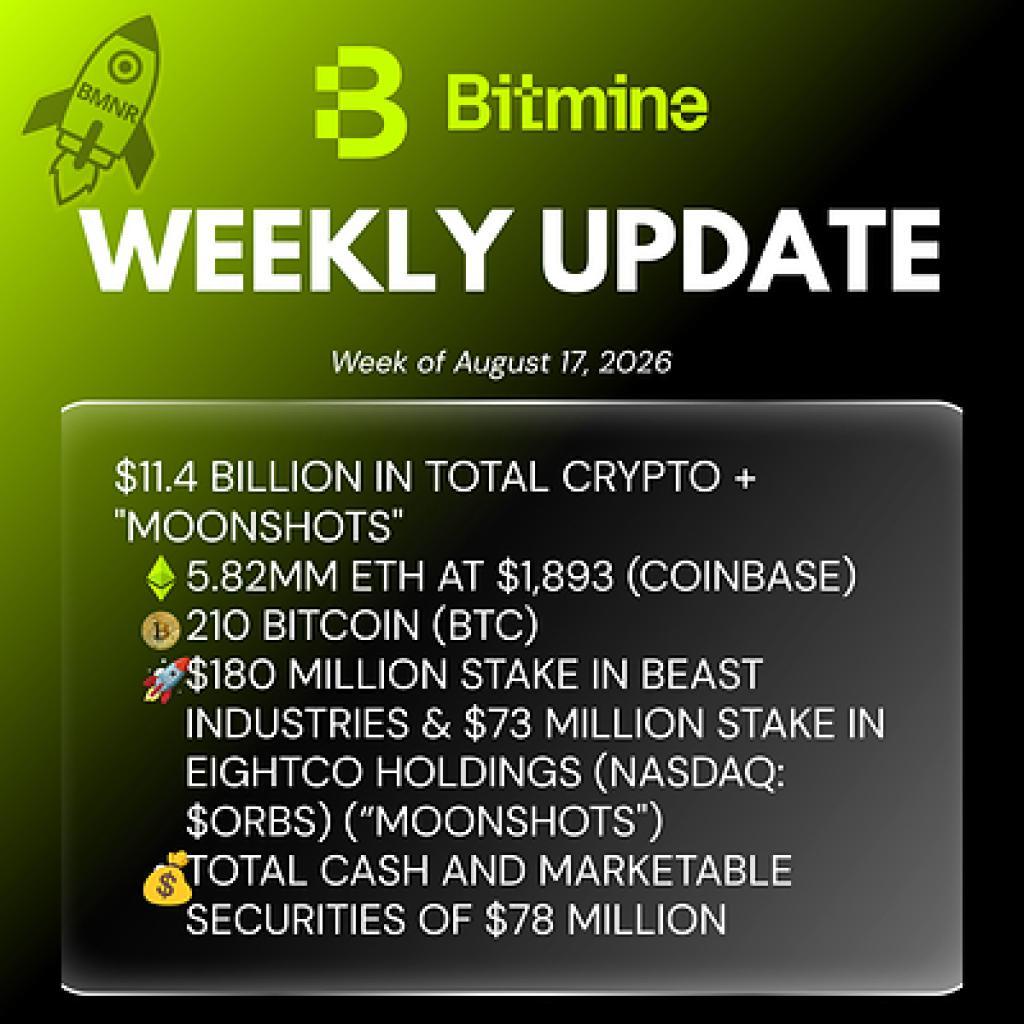
Bitmine Immersion Technologies (BMNR) Announces ETH Holdings Reach 5.82 Million Tokens, and Total Crypto and Total Cash Holdings of $11.4 Billion