








SEC Charges Crypto Exchange With Fraud, Unregistered Securities Violations
The U.S. Securities and Exchange Commission has charged a major crypto exchange with fraud and unregistered securities violations, escalating a regulatory campaign that treats digital-asset trading platforms as venues operating outside federal securities law until proven otherwise. The allegations are claims, not adjudicated findings, and the exchange has not been found liable.
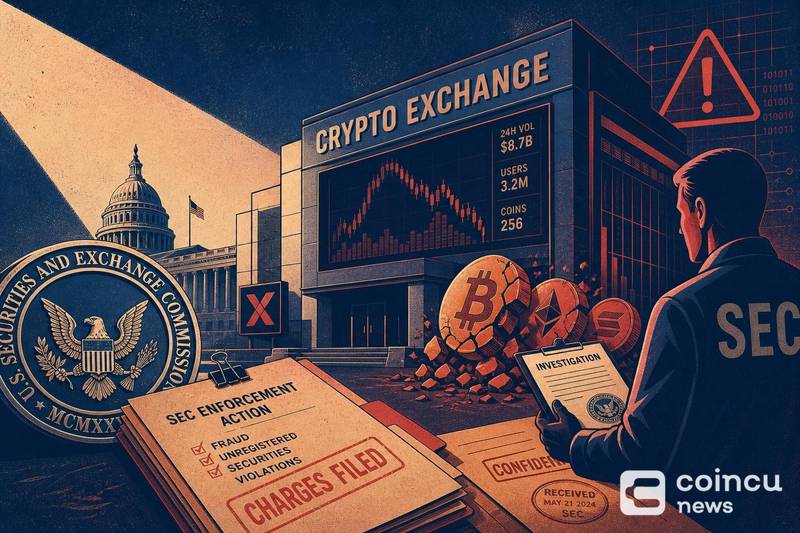
What the SEC alleged against the crypto exchange
The SEC’s action bundles two distinct legal theories into one enforcement package: fraud, a conduct-based claim, and the operation of an unregistered securities business, a registration-based claim. The agency filed 13 charges against Binance entities and founder Changpeng Zhao, the primary filing underpinning this enforcement frame. For related coverage, see SEC Charges Texas Man Over Alleged $12.3M Crypto Trading Scam.
These are allegations advanced by a regulator in a civil complaint, not proven violations, and the burden remains on the SEC to establish them in court. The exchange has publicly contested the case, arguing in a statement responding to the SEC complaint that it disputes the agency’s characterization of its business. For related coverage, see South Korea Removes 29 Overseas Crypto Exchange Apps From Google Play.
Why fraud and unregistered securities claims are different
Fraud allegations focus on conduct: they assert that a platform misled customers, investors, or regulators about how it handled funds, orders, or risk. In plain terms, the SEC is claiming someone was deceived, not merely that a form went unfiled. For related coverage, see Crypto Trade Group Warns Fed Banking Access Could Pressure Digital Asset Firms.
Unregistered securities allegations are structural: they assert that the exchange offered or facilitated trading in assets the SEC considers securities without registering the relevant offerings or the trading, clearing, and broker-dealer functions that federal law requires. The agency has argued that this exchange operated as an unregistered securities intermediary, per reporting on the SEC’s accusations. For related coverage, see North Korea's Kimsuky Uses AI in Crypto and Finance Cyberattacks.
Both theories appearing in a single case raises the stakes because they attack the platform on two fronts at once: the honesty of its operations and the legality of its core business model. A registration defect can sometimes be cured; a fraud finding carries reputational and remedial consequences that are harder to unwind.
What the case could mean for exchange users and the platform
For customers, the immediate practical questions center on access, custody, and the platform’s compliance posture, though the complaint itself does not establish that withdrawals, listings, or account access are affected. Users should distinguish between confirmed charges and the operational outcomes that have not been verified here.
The pressure on exchanges is not confined to U.S. courts. Regulators elsewhere have moved against trading venues directly, as when South Korea pushed 29 overseas exchange apps off Google Play, illustrating how enforcement can translate into access restrictions independent of any single lawsuit.
How this fits into the SEC’s broader crypto enforcement push
The charge sits within a sustained SEC campaign targeting crypto intermediaries and the individuals behind them, a pattern visible in cases ranging from platform-level suits to actions against specific bad actors. The agency has separately charged a Texas man over an alleged multimillion-dollar crypto trading scam and pursued a pre-IPO scheme involving five brokers and companies, underscoring the breadth of its digital-asset docket.
These comparisons stay high level by necessity: the verified record here supports the existence of the exchange charges and the exchange’s contesting statement, but not detailed predictions about precedent or final outcome.
FAQ
What is the SEC alleging? The SEC has charged a crypto exchange with fraud and with operating an unregistered securities business, allegations laid out in its enforcement action against the exchange. These remain unproven claims subject to litigation.
What do unregistered securities violations mean? They mean the SEC contends the platform offered or intermediated assets it deems securities without the registrations federal law requires for exchanges, brokers, and clearing functions.
What happens next? The matter proceeds as a civil case, where the exchange can contest the charges, negotiate, or litigate. The confirmed next step readers should watch is the exchange’s formal response in court, following the public statement it has already issued disputing the complaint.
Disclaimer: This article is for informational purposes only and does not constitute financial or investment advice. Cryptocurrency and digital asset markets carry significant risk. Always do your own research before making decisions.
No tags available.


Other Posts







- China, US Conclude Trade Talks with Focus on Cooperation
- Court Upholds Fed’s Rejection of Custodia Bank’s Request
- Former CFO Convicted for $35M Fraudulent Crypto Investment
- Crypto Weekly: NYSE Backs OKX, Kraken Gets Fed Access, BTC Sells
- DeriW Launches Edge Hour Trading Competition Platform for Derivatives Traders
- Michael Saylor Denies Bitcoin Sell-Off Amid Large BTC Transfer
- Buy Dogecoin on eToro: Step-by-Step Guide for Beginners (2024)
- Kazakhstan Explores Crypto Reserves Backed by National Funds
- JPMorgan Increases Holdings in BlackRock’s Bitcoin ETF
- Nordea Bank Introduces Bitcoin ETP Trading for Nordic Customers
- XRP Spot ETF Launches on Nasdaq Amid Market Fluctuations
- Peter Schiff Challenges Michael Saylor on MSTR’s Business Model
- Thailand Orders Worldcoin to Delete 1.2 Million Biometric Records
- UK Proposes New DeFi Tax Framework to Ease User Burden
- WLFI Under Fire: Analyst Warns Hyperliquid Could Be Next
- Ancient Ethereum Whale Moves $1.19 Billion After Decade
- BlackRock Receives Large Crypto Transfers from Coinbase
- SEC Scrutiny on ALT5 Sigma’s Leadership Disclosure Timing
- Yala Injects $5.5 Million Amid Recovery Efforts
- Radiant Capital Faces $50M Loss in Major Security Breach
- China, US Conclude Trade Talks with Focus on Cooperation
- Court Upholds Fed’s Rejection of Custodia Bank’s Request
- Former CFO Convicted for $35M Fraudulent Crypto Investment
- Crypto Weekly: NYSE Backs OKX, Kraken Gets Fed Access, BTC Sells
- DeriW Launches Edge Hour Trading Competition Platform for Derivatives Traders
- Michael Saylor Denies Bitcoin Sell-Off Amid Large BTC Transfer
- Buy Dogecoin on eToro: Step-by-Step Guide for Beginners (2024)
- Kazakhstan Explores Crypto Reserves Backed by National Funds
- JPMorgan Increases Holdings in BlackRock’s Bitcoin ETF
- Nordea Bank Introduces Bitcoin ETP Trading for Nordic Customers
- XRP Spot ETF Launches on Nasdaq Amid Market Fluctuations
- Peter Schiff Challenges Michael Saylor on MSTR’s Business Model
- Thailand Orders Worldcoin to Delete 1.2 Million Biometric Records
- UK Proposes New DeFi Tax Framework to Ease User Burden
- WLFI Under Fire: Analyst Warns Hyperliquid Could Be Next
- Ancient Ethereum Whale Moves $1.19 Billion After Decade
- BlackRock Receives Large Crypto Transfers from Coinbase
- SEC Scrutiny on ALT5 Sigma’s Leadership Disclosure Timing
- Yala Injects $5.5 Million Amid Recovery Efforts
- Radiant Capital Faces $50M Loss in Major Security Breach
- China, US Conclude Trade Talks with Focus on Cooperation
- Court Upholds Fed’s Rejection of Custodia Bank’s Request
- Former CFO Convicted for $35M Fraudulent Crypto Investment
- Crypto Weekly: NYSE Backs OKX, Kraken Gets Fed Access, BTC Sells
- DeriW Launches Edge Hour Trading Competition Platform for Derivatives Traders
- Michael Saylor Denies Bitcoin Sell-Off Amid Large BTC Transfer
- Buy Dogecoin on eToro: Step-by-Step Guide for Beginners (2024)
- Kazakhstan Explores Crypto Reserves Backed by National Funds
- JPMorgan Increases Holdings in BlackRock’s Bitcoin ETF
- Nordea Bank Introduces Bitcoin ETP Trading for Nordic Customers
- XRP Spot ETF Launches on Nasdaq Amid Market Fluctuations
- Peter Schiff Challenges Michael Saylor on MSTR’s Business Model
- Thailand Orders Worldcoin to Delete 1.2 Million Biometric Records
- UK Proposes New DeFi Tax Framework to Ease User Burden
- WLFI Under Fire: Analyst Warns Hyperliquid Could Be Next
- Ancient Ethereum Whale Moves $1.19 Billion After Decade
- BlackRock Receives Large Crypto Transfers from Coinbase
- SEC Scrutiny on ALT5 Sigma’s Leadership Disclosure Timing
- Yala Injects $5.5 Million Amid Recovery Efforts
- Radiant Capital Faces $50M Loss in Major Security Breach

SEC Charges Crypto Exchange With Fraud, Unregistered Securities Violations
Fed’s Daly Flags Longer Inflation Path, Bitcoin Tailwind Still Conditional

Trump Seeks CEO Feedback on Clarity Act in Oval Office Meeting
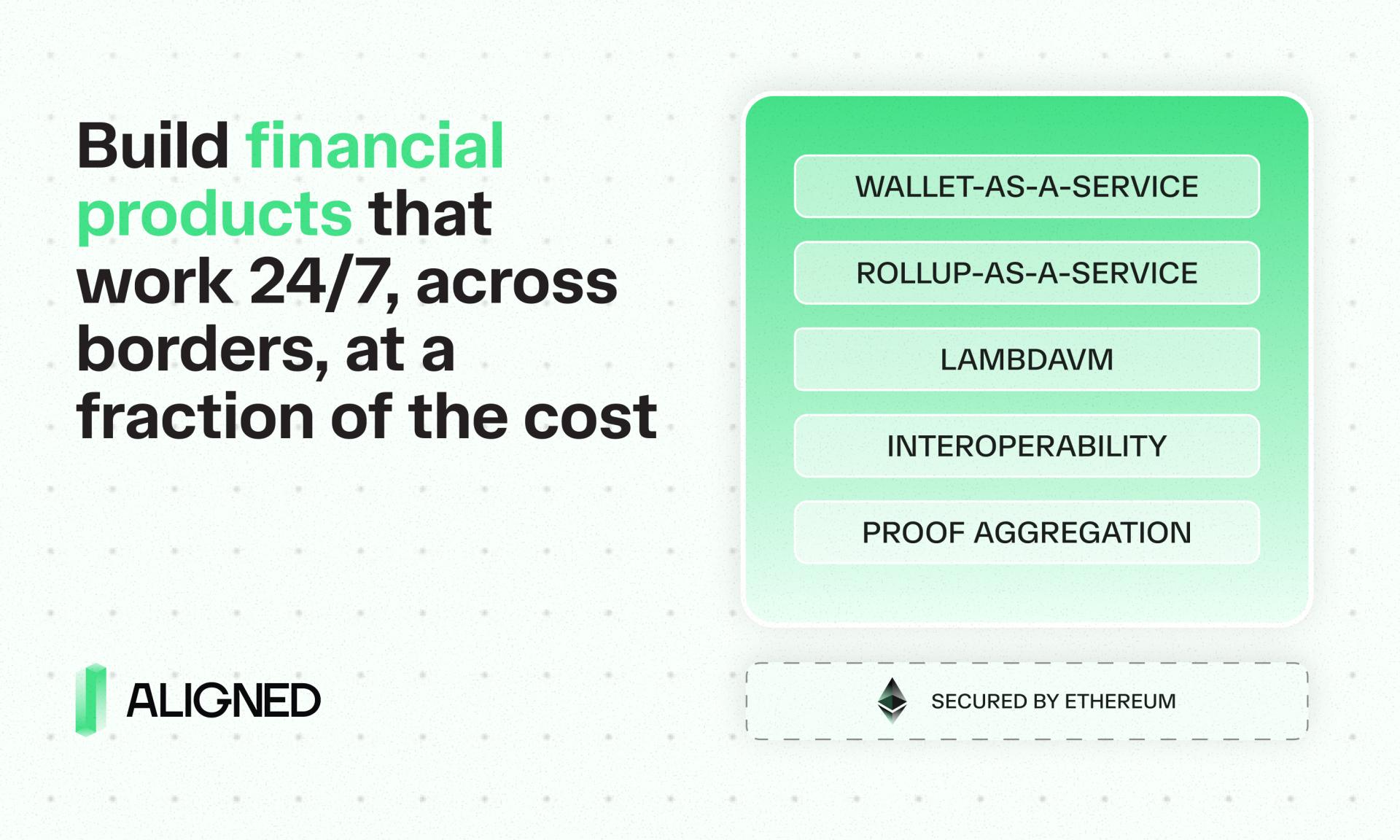
Aligned Launches $ALIGN, the Native Token of Its Full Ethereum Stack
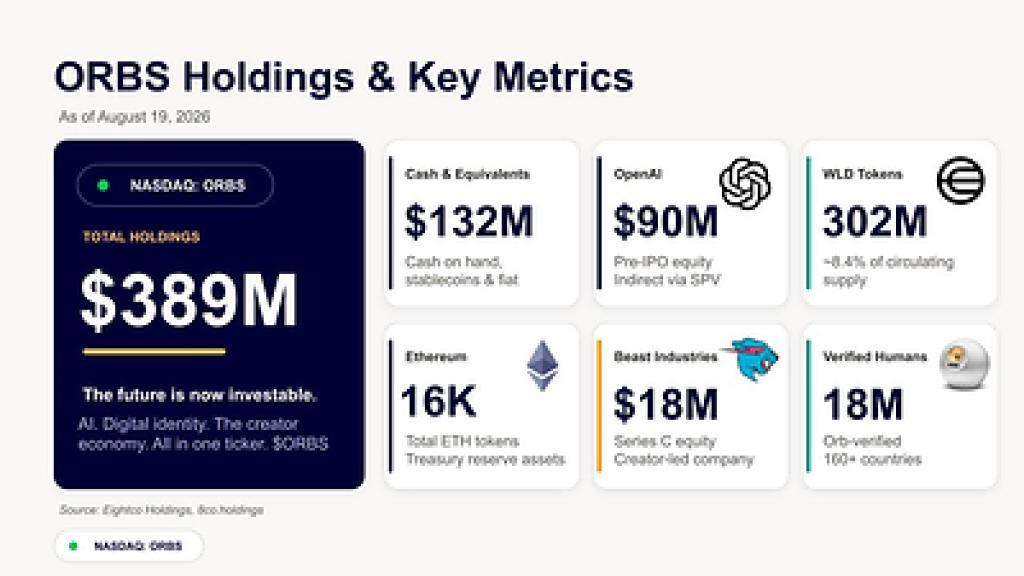
Eightco Holdings Reports $389M in Holdings, Including OpenAI, Beast Industries, 16,000+ ETH and 302M WLD