








OCC Moves to Finalize GENIUS Act Stablecoin Rules: Key Takeaways
The Office of the Comptroller of the Currency is moving to finalize its GENIUS Act stablecoin rules, with Comptroller Jonathan V. Gould saying the agency expects a final rule out by November 2026 that would bring payment stablecoin issuers inside the federal banking regulator’s supervisory perimeter.
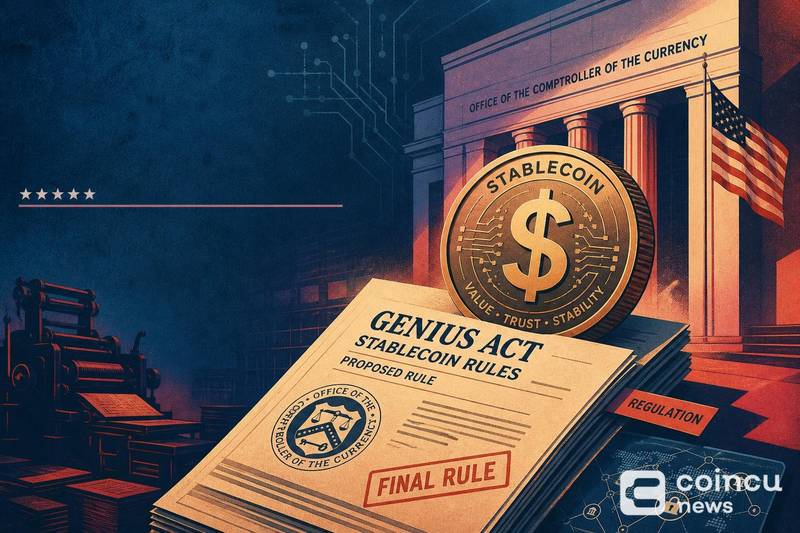
Speaking on August 19, 2026, Gould said the OCC would complete its GENIUS Act rulemaking by November, framing payment stablecoins as a new industry that will now sit inside the agency’s regulatory and supervisory reach, according to the OCC. For related coverage, see U.S. House and Senate Align on Stablecoin Regulation.
The comment builds on a proposed rule the OCC published on February 25, 2026, which covers payment stablecoin issuance, reserve assets, redemption, risk management, audits, reports, supervision, custody, and how state-qualified issuers transition into the federal framework, per an OCC bulletin. For related coverage, see BYDFi Joins Coinfest Asia 2026, Connecting with Institutions, Builders and Traders in Bali.
What the OCC’s move to finalize GENIUS Act stablecoin rules means
The OCC charters and supervises national banks and federal savings associations, and under the GENIUS Act it becomes a primary federal regulator for payment stablecoins issued through the federal path. Its posture effectively decides how much of the U.S. dollar stablecoin market runs under bank-style oversight. For related coverage, see Iranian Hackers Charged in $6M Bitcoin Extortion Case.
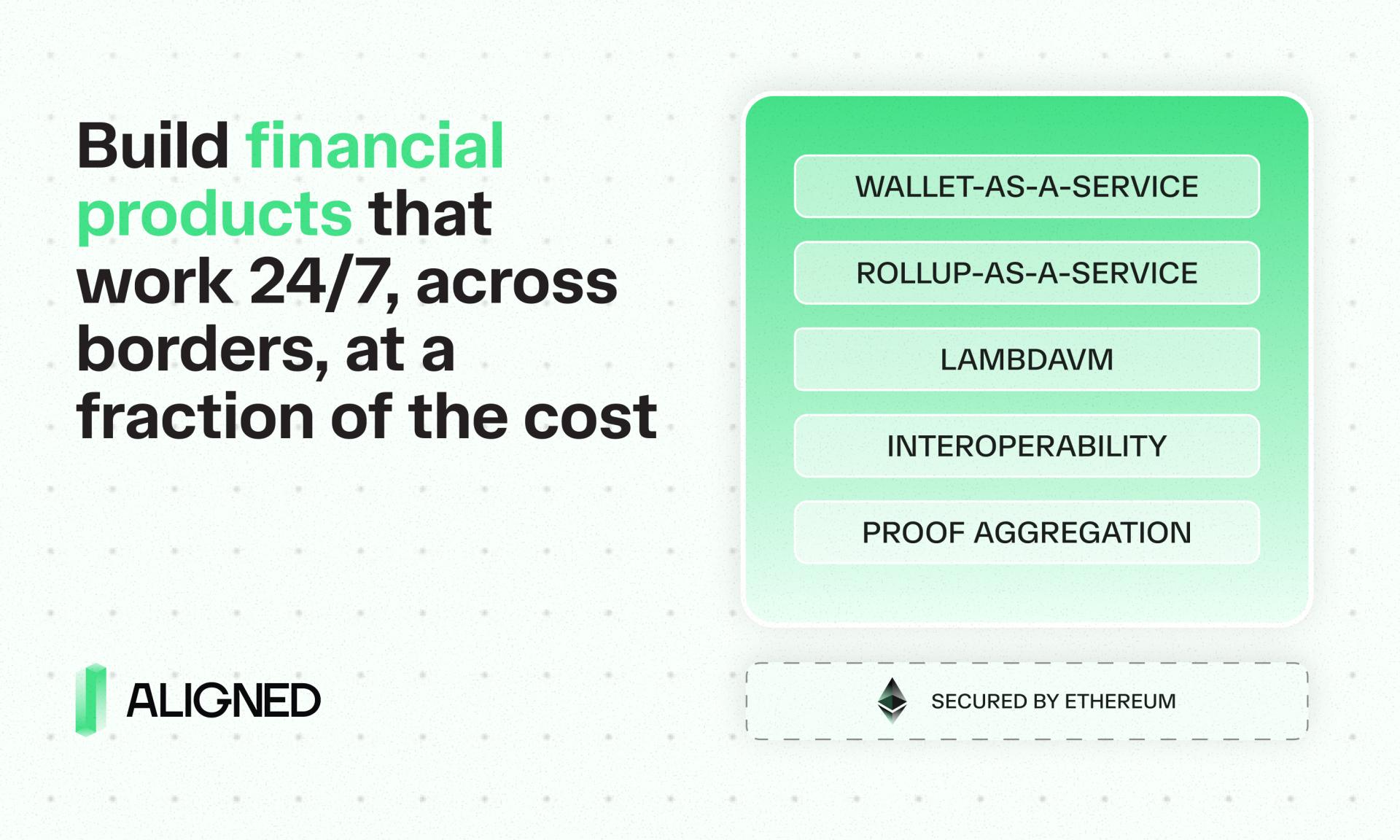
“Finalize” here signals the OCC is moving from a proposed rule, open to public comment, toward a binding regulation. Once final, the text sets the compliance obligations issuers must meet rather than merely inviting industry feedback. For related coverage, see Aligned Launches $ALIGN, the Native Token of Its Full Ethereum Stack.
The GENIUS Act is the statute that ties this together. It became law on July 18, 2025 and directs the OCC and other primary federal stablecoin regulators to write implementing rules through notice-and-comment rulemaking, the same process that produced congressional alignment seen when the U.S. House and Senate converged on stablecoin regulation.
The law takes effect on the earlier of January 18, 2027, or 120 days after primary federal regulators issue final regulations, under the statutory text. A November 2026 final rule would put the OCC inside the January 2027 effective window.
The timing gap regulators have to answer for
The GENIUS Act required each primary federal payment stablecoin regulator, the Treasury secretary, and each state regulator to promulgate implementing regulations not later than one year after enactment, a deadline that fell on July 18, 2026. Gould’s November target arrives after that statutory date has already passed.
That mismatch is the sharper story: the OCC’s finalization timeline lands months beyond the law’s own one-year rulemaking clock. It does not, on its own, block the act from taking effect in January 2027, but it does put the agency in the position of finishing a rule that was already legally overdue.
How the rule finalization could affect stablecoin issuers and compliance
For issuers, a final rule converts the OCC’s proposed expectations on reserve assets, redemption, and disclosure into enforceable obligations. Compliance teams would need to align reserve composition, redemption mechanics, and reporting cadence with whatever the final text locks in.
The proposal also reaches banks and custodial partners through its custody and supervision provisions, meaning depository institutions that hold reserves or service issuers inherit oversight expectations too. That overlap is why banking groups have pushed for coordinated frameworks rather than fragmented ones.
Industry reaction has been constructive rather than hostile. The Bank Policy Institute and The Clearing House Association backed strong supervision while asking regulators to coordinate and clarify consumer-protection and liquidity rules.
“Strong AML/CFT requirements for stablecoin issuers are a crucial safeguard for consumers and the financial system,” the Bank Policy Institute and The Clearing House Association said in a joint statement on the OCC proposal.
The demand for supervisory clarity extends across U.S. crypto policy, where officials have signaled they will keep building frameworks even amid legislative uncertainty, including the CFTC’s stated readiness to move if the CLARITY Act fails.
The state-to-federal transition is the operational pinch point
The GENIUS Act sets a hard threshold for larger issuers. State-qualified payment stablecoin issuers with more than $10,000,000,000 in consolidated outstanding issuance must transition to the federal framework within 360 days or stop issuing new payment stablecoins, unless a waiver is granted.
That migration clock, paired with the waiver path for joint state-federal supervision, is the mechanic that turns the OCC’s rule into a live compliance event for the biggest names in the market. It is also the piece most competitor coverage has left out of the timing debate.
Why the OCC’s stablecoin stance matters for the broader crypto market
Stablecoins are core market infrastructure, functioning as the settlement layer and dollar proxy across exchanges and DeFi. Clear federal rules matter beyond issuers because they shape how confidently institutions plug into that plumbing.
The demand signal is already visible in the OCC’s own pipeline. The agency said 23 of the 40 new bank charter applications it received over roughly the last 18 months involved some form of digital-asset activity.
Regulatory clarity tends to draw institutional participation because supervised issuers and defined reserve rules reduce counterparty uncertainty. A finalized federal framework gives banks and asset managers a rulebook to underwrite against.
Market conditions around the news were calm rather than stressed, with the crypto Fear & Greed Index reading 62, in “Greed” territory, at the time of research.
USDC, a leading U.S.-issued stablecoin and a natural proxy for the payment-stablecoin category the rule targets, traded at 0.999818 USD near its dollar peg, with a market capitalization of roughly $72.9 billion.
What to watch next after the OCC’s move
The nearest milestone is publication of the final rule itself, targeted for November 2026. Its text will determine whether the OCC lands inside the 120-day runway to the January 18, 2027 effective date or slips against it.
Watch for how the OCC coordinates with other primary federal regulators and state authorities, since the BPI and The Clearing House flagged fragmentation risk. Divergent frameworks could complicate the state-to-federal migration for the largest issuers.
Also watch issuer positioning ahead of the 360-day transition window. Whether the biggest state-qualified issuers seek waivers or move directly into federal oversight will signal how disruptive the threshold proves in practice.
FAQ about the OCC and GENIUS Act stablecoin rules
What is the OCC? The Office of the Comptroller of the Currency is the federal agency that charters and supervises national banks and federal savings associations, and under the GENIUS Act it acts as a primary federal regulator for payment stablecoins on the federal path.
What is the GENIUS Act? It is the federal stablecoin law enacted on July 18, 2025 that directs primary federal regulators to write implementing rules and takes effect on the earlier of January 18, 2027 or 120 days after final regulations are issued.
Why do stablecoin rules matter? Payment stablecoins act as settlement infrastructure across crypto markets, so federal rules on reserves, redemption, and supervision shape market trust and institutional participation.
Who could be most affected by finalized rules? Stablecoin issuers, their banking and custodial partners, and especially state-qualified issuers with more than $10 billion in outstanding issuance, who face a 360-day window to move into the federal framework or stop issuing.
Disclaimer: This article is for informational purposes only and does not constitute financial or investment advice. Cryptocurrency and digital asset markets carry significant risk. Always do your own research before making decisions.
No tags available.


Other Posts








- China, US Conclude Trade Talks with Focus on Cooperation
- Court Upholds Fed’s Rejection of Custodia Bank’s Request
- Former CFO Convicted for $35M Fraudulent Crypto Investment
- Crypto Weekly: NYSE Backs OKX, Kraken Gets Fed Access, BTC Sells
- DeriW Launches Edge Hour Trading Competition Platform for Derivatives Traders
- Michael Saylor Denies Bitcoin Sell-Off Amid Large BTC Transfer
- Buy Dogecoin on eToro: Step-by-Step Guide for Beginners (2024)
- Kazakhstan Explores Crypto Reserves Backed by National Funds
- JPMorgan Increases Holdings in BlackRock’s Bitcoin ETF
- Nordea Bank Introduces Bitcoin ETP Trading for Nordic Customers
- XRP Spot ETF Launches on Nasdaq Amid Market Fluctuations
- Peter Schiff Challenges Michael Saylor on MSTR’s Business Model
- Thailand Orders Worldcoin to Delete 1.2 Million Biometric Records
- UK Proposes New DeFi Tax Framework to Ease User Burden
- WLFI Under Fire: Analyst Warns Hyperliquid Could Be Next
- Ancient Ethereum Whale Moves $1.19 Billion After Decade
- BlackRock Receives Large Crypto Transfers from Coinbase
- SEC Scrutiny on ALT5 Sigma’s Leadership Disclosure Timing
- Yala Injects $5.5 Million Amid Recovery Efforts
- Radiant Capital Faces $50M Loss in Major Security Breach
- China, US Conclude Trade Talks with Focus on Cooperation
- Court Upholds Fed’s Rejection of Custodia Bank’s Request
- Former CFO Convicted for $35M Fraudulent Crypto Investment
- Crypto Weekly: NYSE Backs OKX, Kraken Gets Fed Access, BTC Sells
- DeriW Launches Edge Hour Trading Competition Platform for Derivatives Traders
- Michael Saylor Denies Bitcoin Sell-Off Amid Large BTC Transfer
- Buy Dogecoin on eToro: Step-by-Step Guide for Beginners (2024)
- Kazakhstan Explores Crypto Reserves Backed by National Funds
- JPMorgan Increases Holdings in BlackRock’s Bitcoin ETF
- Nordea Bank Introduces Bitcoin ETP Trading for Nordic Customers
- XRP Spot ETF Launches on Nasdaq Amid Market Fluctuations
- Peter Schiff Challenges Michael Saylor on MSTR’s Business Model
- Thailand Orders Worldcoin to Delete 1.2 Million Biometric Records
- UK Proposes New DeFi Tax Framework to Ease User Burden
- WLFI Under Fire: Analyst Warns Hyperliquid Could Be Next
- Ancient Ethereum Whale Moves $1.19 Billion After Decade
- BlackRock Receives Large Crypto Transfers from Coinbase
- SEC Scrutiny on ALT5 Sigma’s Leadership Disclosure Timing
- Yala Injects $5.5 Million Amid Recovery Efforts
- Radiant Capital Faces $50M Loss in Major Security Breach
- China, US Conclude Trade Talks with Focus on Cooperation
- Court Upholds Fed’s Rejection of Custodia Bank’s Request
- Former CFO Convicted for $35M Fraudulent Crypto Investment
- Crypto Weekly: NYSE Backs OKX, Kraken Gets Fed Access, BTC Sells
- DeriW Launches Edge Hour Trading Competition Platform for Derivatives Traders
- Michael Saylor Denies Bitcoin Sell-Off Amid Large BTC Transfer
- Buy Dogecoin on eToro: Step-by-Step Guide for Beginners (2024)
- Kazakhstan Explores Crypto Reserves Backed by National Funds
- JPMorgan Increases Holdings in BlackRock’s Bitcoin ETF
- Nordea Bank Introduces Bitcoin ETP Trading for Nordic Customers
- XRP Spot ETF Launches on Nasdaq Amid Market Fluctuations
- Peter Schiff Challenges Michael Saylor on MSTR’s Business Model
- Thailand Orders Worldcoin to Delete 1.2 Million Biometric Records
- UK Proposes New DeFi Tax Framework to Ease User Burden
- WLFI Under Fire: Analyst Warns Hyperliquid Could Be Next
- Ancient Ethereum Whale Moves $1.19 Billion After Decade
- BlackRock Receives Large Crypto Transfers from Coinbase
- SEC Scrutiny on ALT5 Sigma’s Leadership Disclosure Timing
- Yala Injects $5.5 Million Amid Recovery Efforts
- Radiant Capital Faces $50M Loss in Major Security Breach

OCC Moves to Finalize GENIUS Act Stablecoin Rules: Key Takeaways

CFTC Chair Says Crypto Rules Will Be Ready if CLARITY Act Fails
Aligned Launches $ALIGN, the Native Token of Its Full Ethereum Stack
Eightco Holdings Reports $389M in Holdings, Including OpenAI, Beast Industries, 16,000+ ETH and 302M WLD